



Advanced Materials for Protecting Archival Materials from Fire
In March 2023, seven rare historic buildings in the Slovak town of Banská Štiavnica burned down, likely due to an electrical short circuit. One of the affected buildings was the state district archive. During the 2004 fire at the Duchess Anna Amalia Library in Weimar, approximately 50,000 of the 196,000 books in storage were destroyed, and 118,000 were damaged. But cultural institutions in the Czech Republic were not spared from fires either (the museum in Domažlice, the wooden Church of St. Catherine of Alexandria in Ostrava-Hrabová, the castle in Zahrádka, the storage facilities at Pernštejn Castle, and the building of the Archaeological Institute of the Academy of Sciences at the Mikulčice National Monument in the Hodonín region). According to the Questionnaire for Assessing the Risks of Natural Disasters and Damage to Archival Collections Stored in the State Archives of the Czech Republic, it was found that approximately 53% of state archive buildings are protected by electronic fire alarm systems, and only 5% of facilities are protected by fixed fire suppression systems. These figures indicate that 95% of the 800,000 linear meters of the national archival heritage stored in the state archives of the Czech Republic is not adequately protected against fire.
A new way to proactively protect important written historical documents from fire damage is to treat protective containers (so-called archival boxes) with additive-based flame retardants. If a layer of a gentle, effective, and long-lasting flame retardant is applied to the cardboard used to manufacture these protective containers during the production process, the level of fire protection is significantly increased without the need for costly structural modifications to the building to install equally expensive fixed fire suppression systems (SHS), space for a control center or storage of fire suppressant, including their regular maintenance.
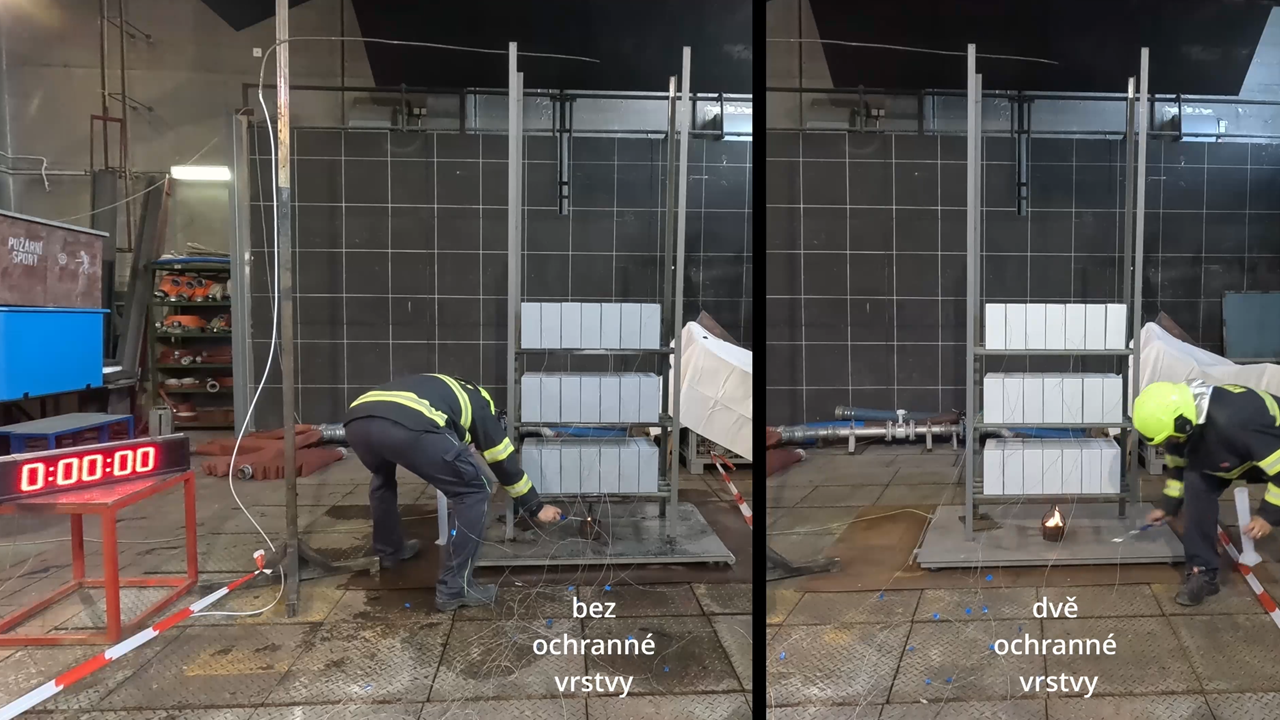
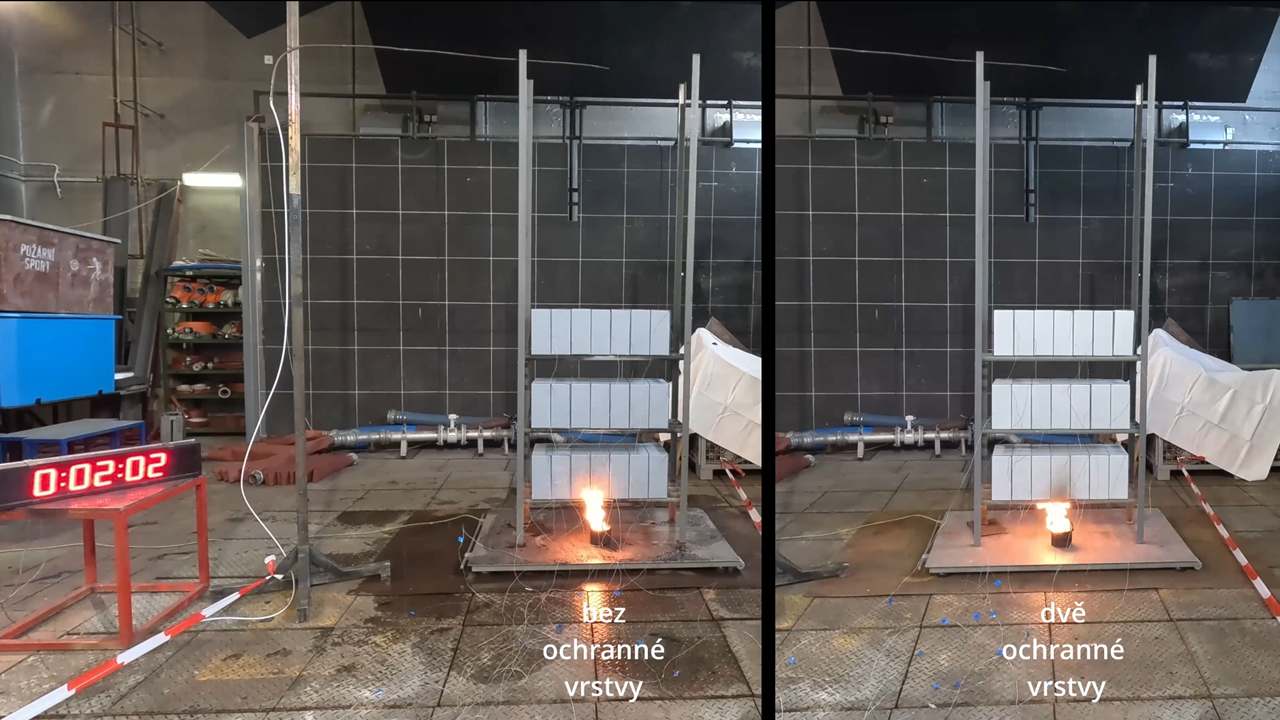
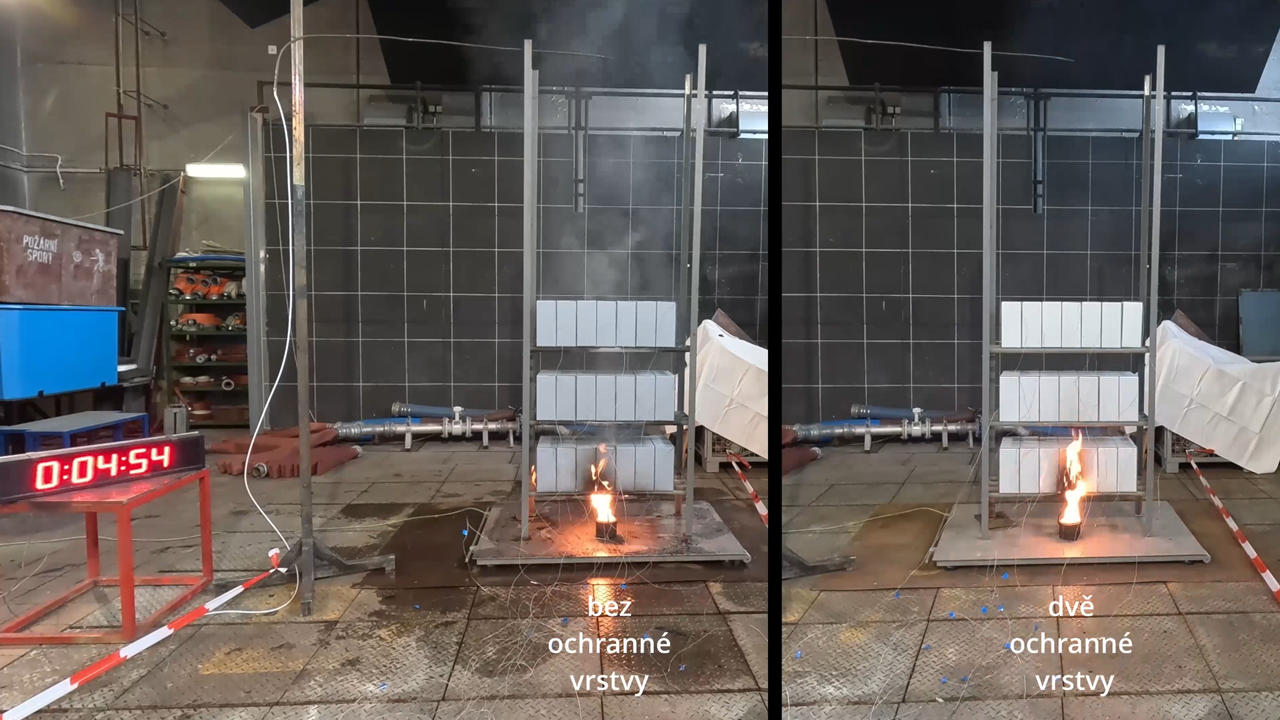
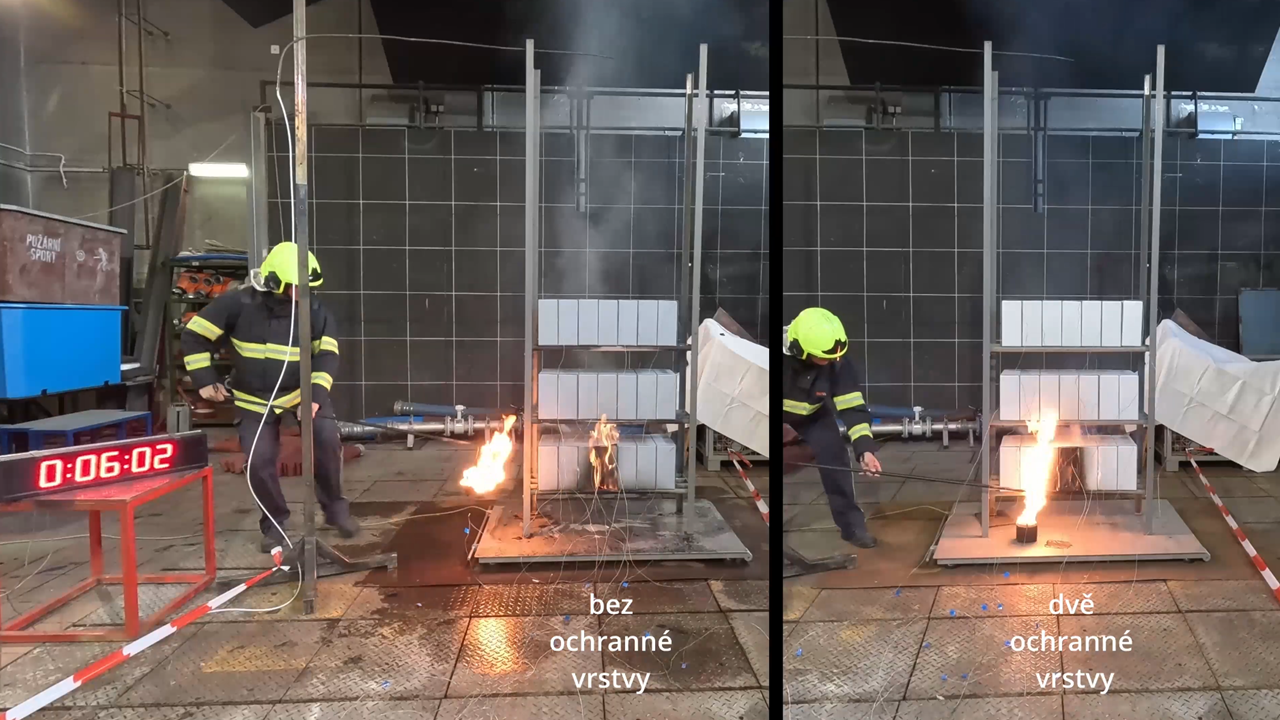
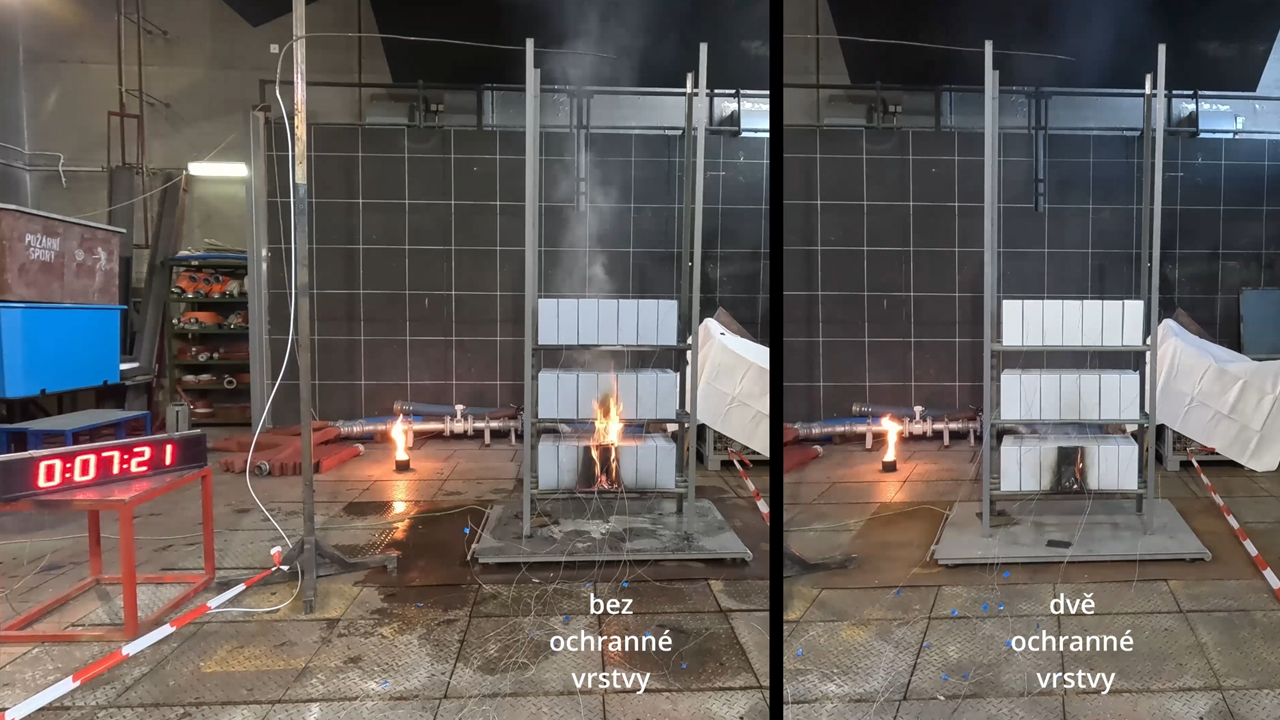
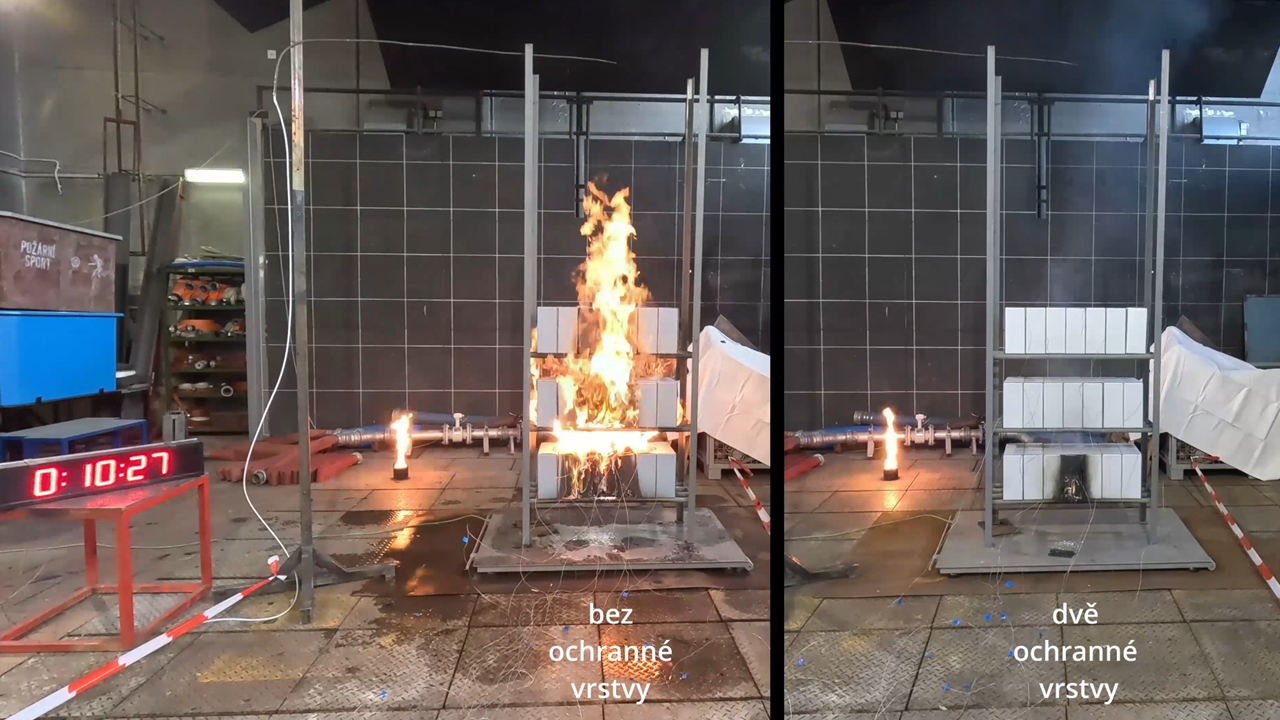
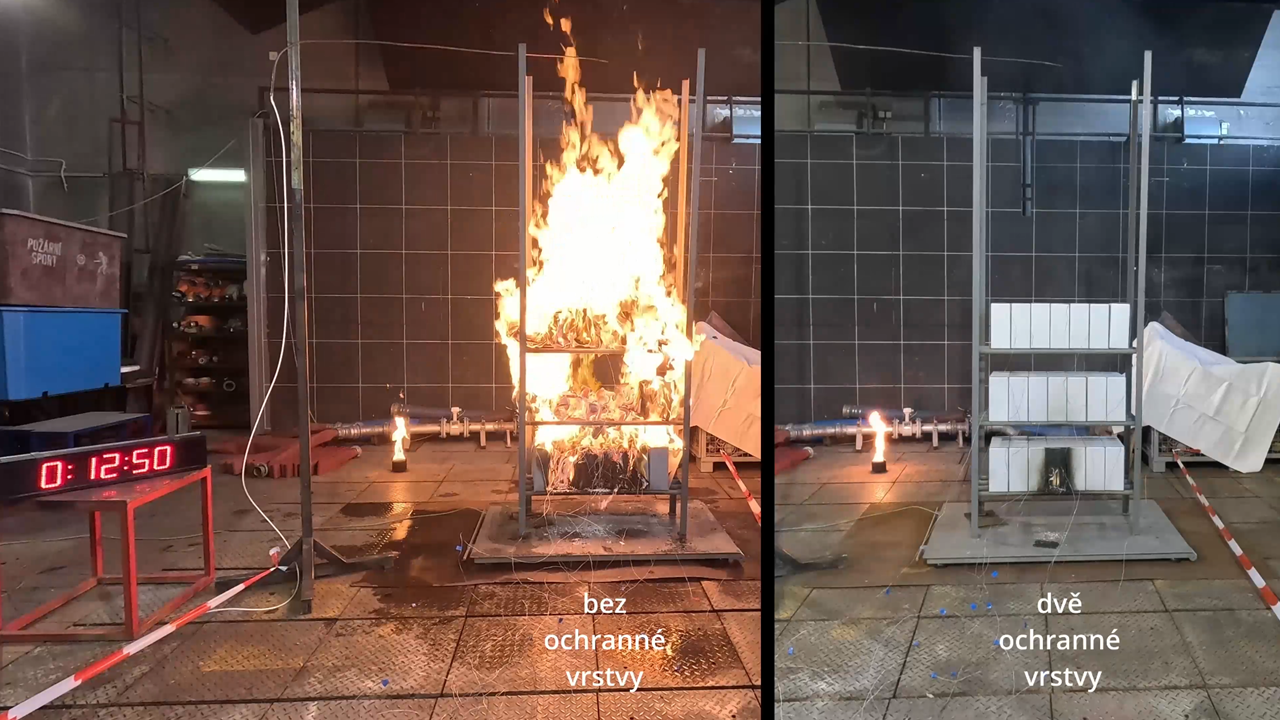
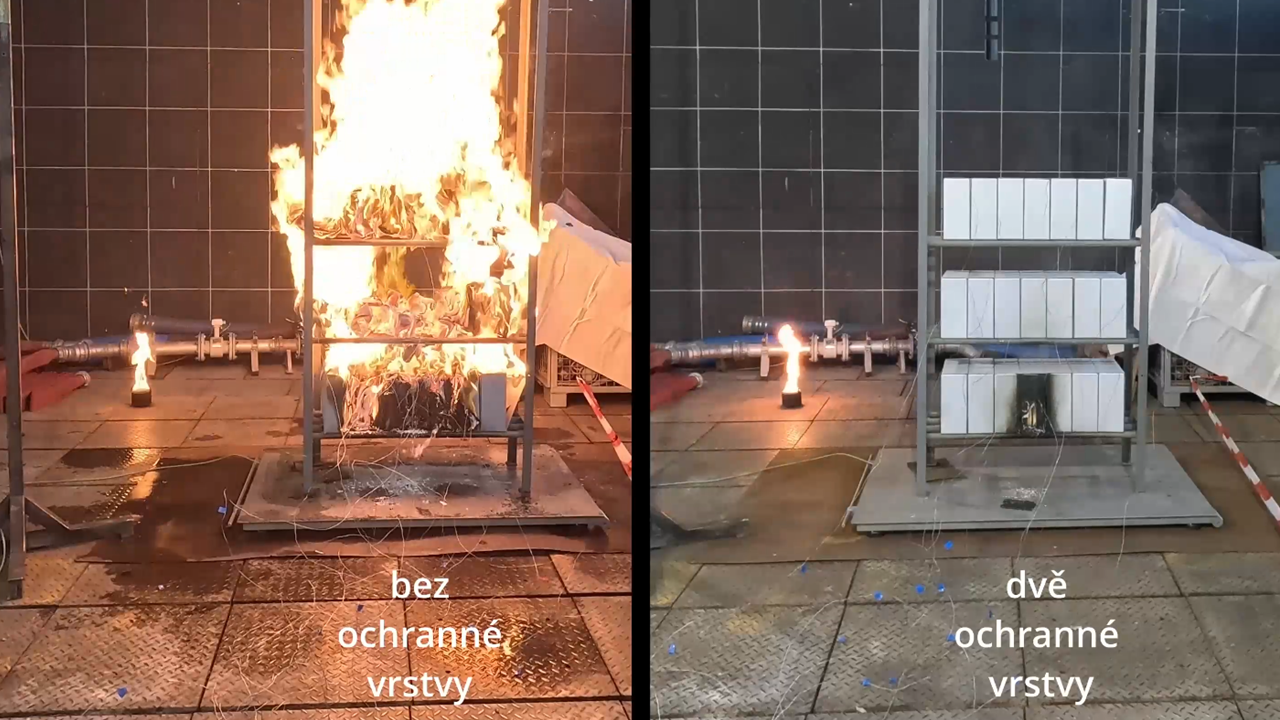
The “Advanced Materials for the Fire Protection of Archival Materials” project itself was preceded by several years of research conducted by the Institute of Chemical Technology for the Restoration of Cultural Heritage at the Faculty of Chemical Technology, University of Chemistry and Technology, Prague, in collaboration with the Technical Institute of Fire Protection in Prague (TÚPO). These laboratory studies and experiments, as well as so-called medium-scale fire tests conducted at TÚPO, showed that the cardboard used in archival boxes, coated with additive-based fire retardants containing bentonite and mica, exhibited excellent fire resistance, prevented the spread of fire, and protected the stored archival documents from irreversible thermal destruction.
The proposed project had several objectives:
- optimizing the composition of the additive flame retardant,
- selecting and verifying a suitable coating or printing technique for the industrial application of the flame retardant to cardboard,
- studying the effect of the applied flame retardant layer on the physicochemical properties of archival box cardboard and stored archival materials on paper substrates,
- laboratory and pilot-scale verification of the fire-retardant effectiveness of the proposed retardant,
- optimization of the printing of fire retardants onto archival cardboard on an industrial scale.
The research team consisted of staff from two universities (the University of Chemistry and Technology, Prague, and the Brno University of Technology), a ministry-affiliated research institute of the Ministry of the Interior (the Technical Institute of Fire Protection in Prague), and a manufacturer of archival cardboard (EMBA s.r.o., Paseky nad Jizerou). The task of the University of Chemistry and Technology was to optimize the composition of the fire retardant, monitor its effectiveness under laboratory conditions, and study its impact on the physicochemical properties of the cardboard and the stored archival materials. TÚPO determined the basic fire characteristics during laboratory tests and verified the fire-retardant’s effectiveness. Brno University of Technology (VUT) addressed the selection and verification of a suitable technique for applying the fire-retardant to the cardboard, with screen printing proving to be the most suitable application method. EMBA s.r.o., as a manufacturer and supplier of archival cardboard, practically verified the proposed method of applying fire retardants to archival cardboard via screen printing at its facility and continuously provided the necessary materials (cardboard and archival boxes) for the experiments. The project was scheduled to last three years, from 2024 to 2026.
Fire Test Procedure